Spoilt or Spoiled: Meaning, British vs American English & Examples
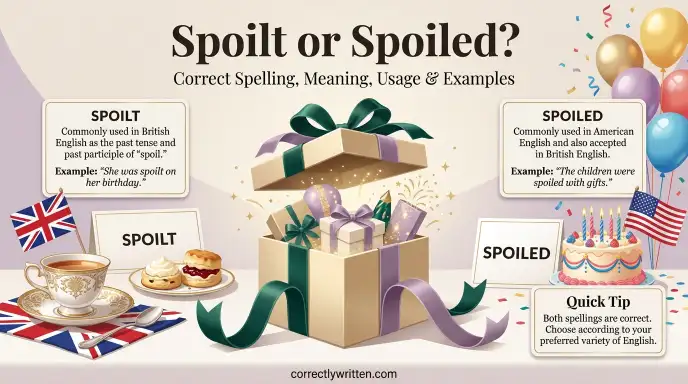
Spoilt and spoiled are both correct English spellings. Spoilt is especially common in British English, while spoiled is more common ...
Read more
Feening or Fiending: Correct Spelling, Meaning & Usage Explained
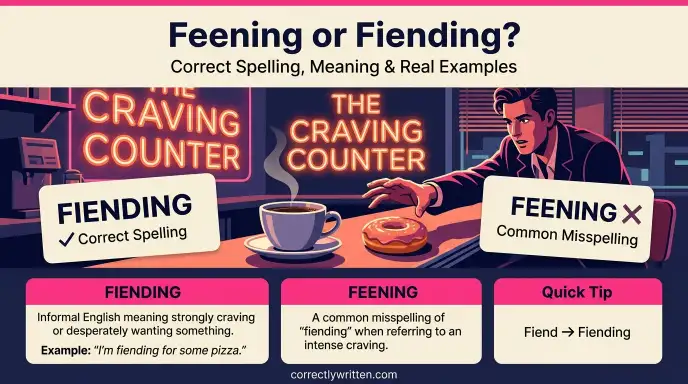
Feening or fiending? Use “fiending” in most writing, because it comes from the dictionary word “fiend.” “Feening” is a slang ...
Read more
Maxed or Maxxed? Correct Spelling, Meaning,& Everyday Examples
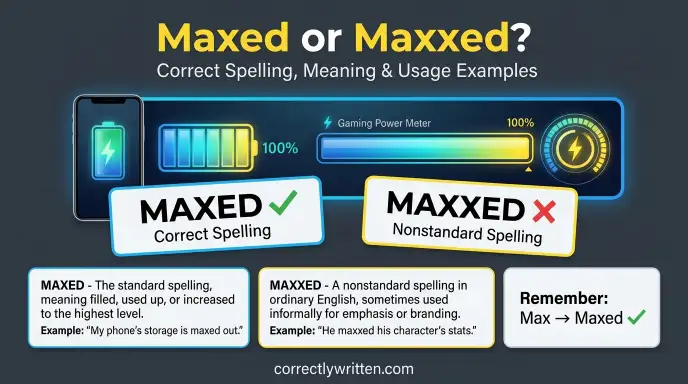
Maxed or maxxed? The correct spelling is “maxed.” The form “maxxed” is slang, and standard English does not accept it. ...
Read more
Momma or Mamma: Meaning, Spelling Differences ,Everyday Uses
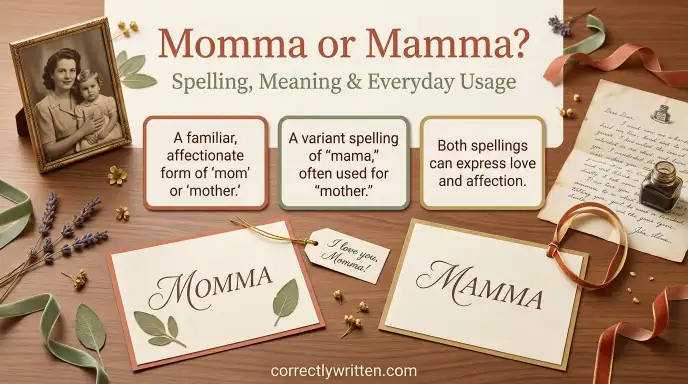
Choosing between momma or mamma comes down to if you prefer modern American informal English or traditional, literary, and international ...
Read more
Skis or Skiis: The Correct Plural of “Ski” With Usage Examples
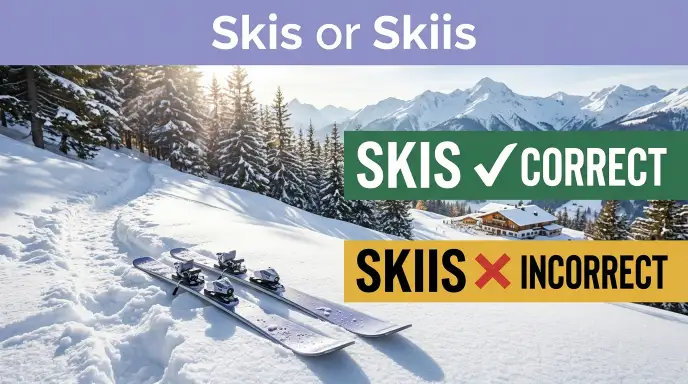
“Skis” is the correct plural of “ski.” “Skiis” is not a real word it’s a common misspelling. People search ...
Read more
Arctic or Artic: Correct Spelling, Meaning & Examples
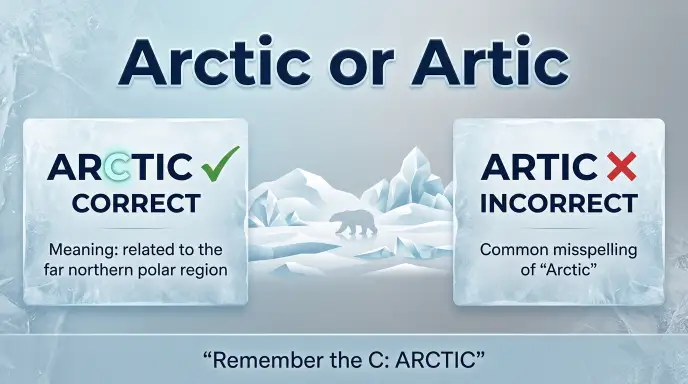
Arctic is the correct spelling; artic is usually a misspelling. The word Arctic refers to the region around the North ...
Read more
Criticised or Criticized: British vs. American Spelling Explained
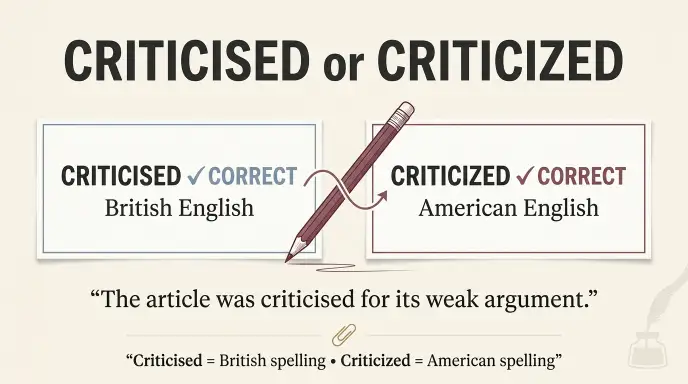
Both “criticised” and “criticized” are correct. “Criticised” is British English. “Criticized” is American English. The word itself has just one ...
Read more
Breeched or Breached: Which Is Correct? Meaning,Examples
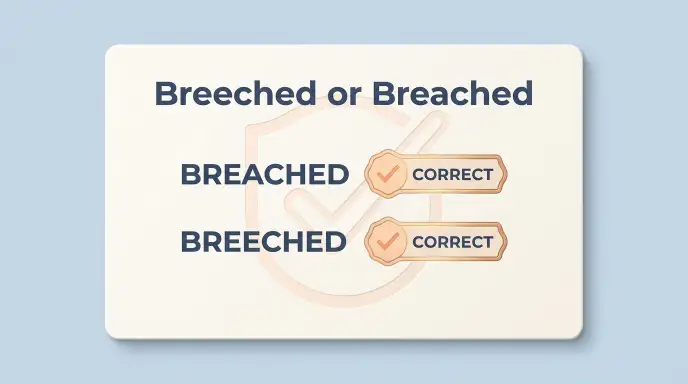
The correct word is usually breached when you mean broken, violated, entered without permission, or broken through. Breeched is also ...
Read more
Aesthetician or Esthetician: Meaning, Spelling, Usage
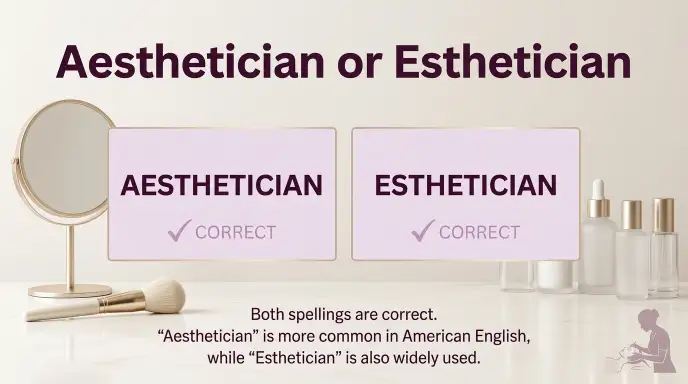
If you are wondering if aesthetician or esthetician is correct, the good news is that both spellings are correct. The ...
Read more
Obrigado or Obrigada: Which Is Correct? Meaning & Usage
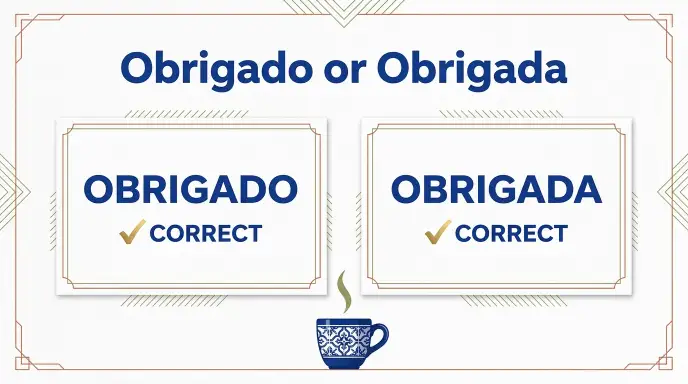
“Obrigado” and “obrigada” both mean “thank you” in Portuguese, but the correct form depends on the gender of the person ...
Read more







